The Joint Center for Housing Studies of Harvard University expects homeowner spending on improvements and repairs to stay relatively flat through late 2027. Its latest Leading Indicator of Remodeling Activity (LIRA) projects year-over-year growth slowing from 2.4% in the fourth quarter of 2026 to 1.5% in the third quarter of 2027, with annual spending edging from $524 billion to $527 billion.
What is holding remodeling back
The Center points to the same signals many dealers feel in their showrooms: retail sales of building products have been flat to negative, remodeling permits have stalled, and housing starts continue to decline. Until home sales pick up, fewer homeowners are starting large projects.
A flat market rewards execution
When the number of projects is not growing, growth has to come from winning a bigger share of the jobs that do happen. Three things decide most of those jobs:
- Response time. The first dealer to put a real design in front of a homeowner sets the reference point for everyone after.
- Presentation. Photoreal renders and 3D walkthroughs help clients say yes without a second showroom visit.
- Accuracy. Clean shop drawings and order lists protect your margin from remakes and site surprises.
Lead with cabinetry
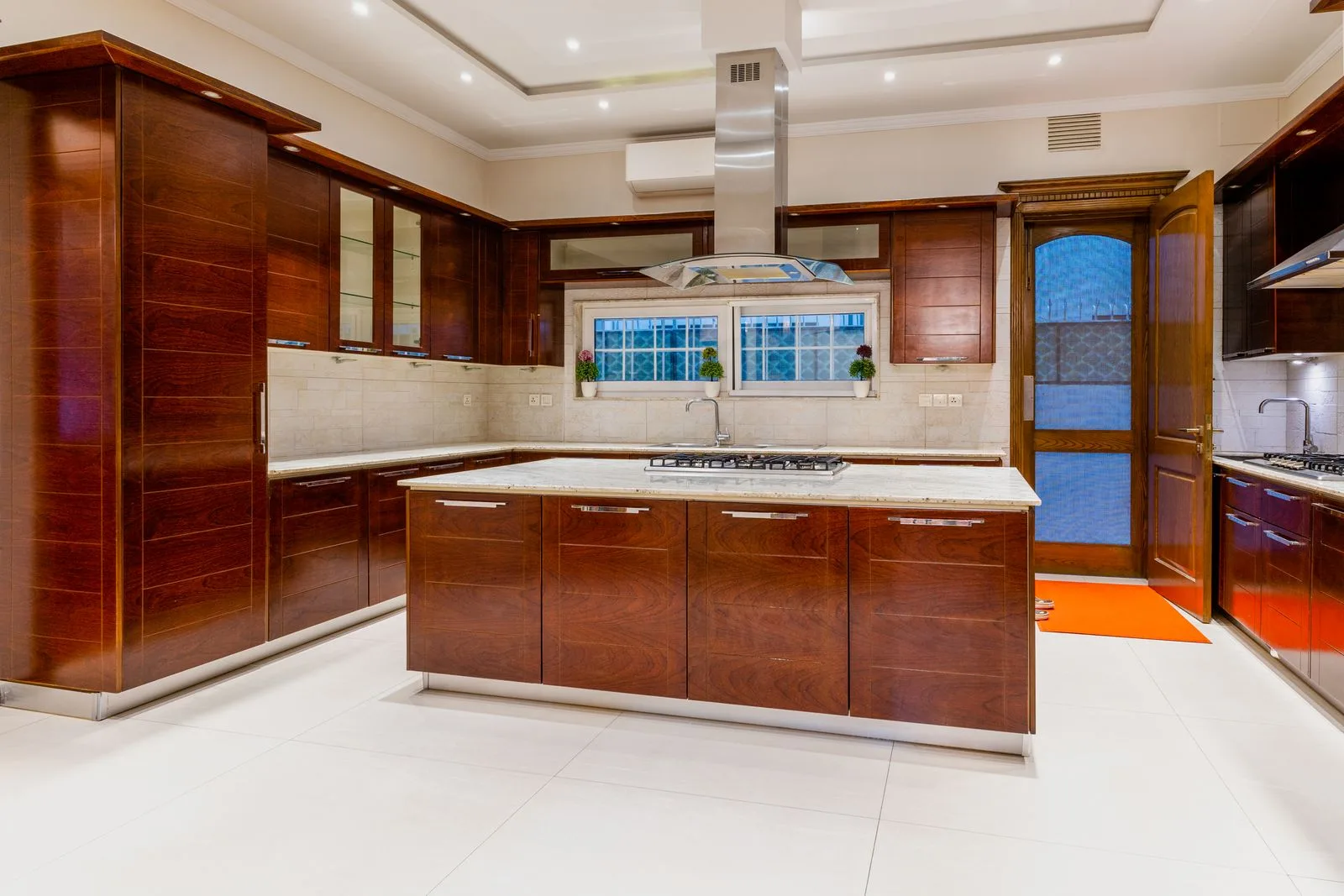
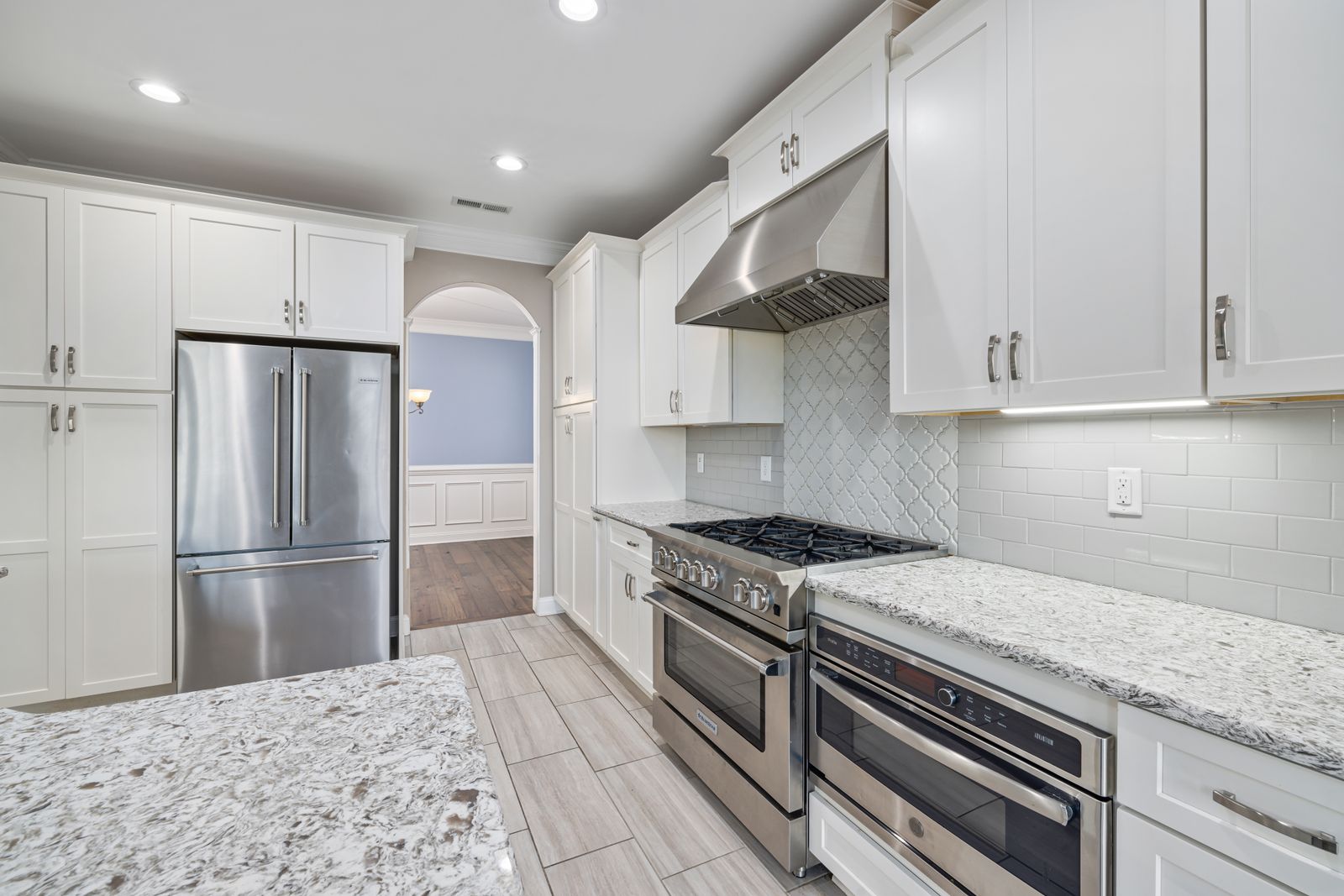
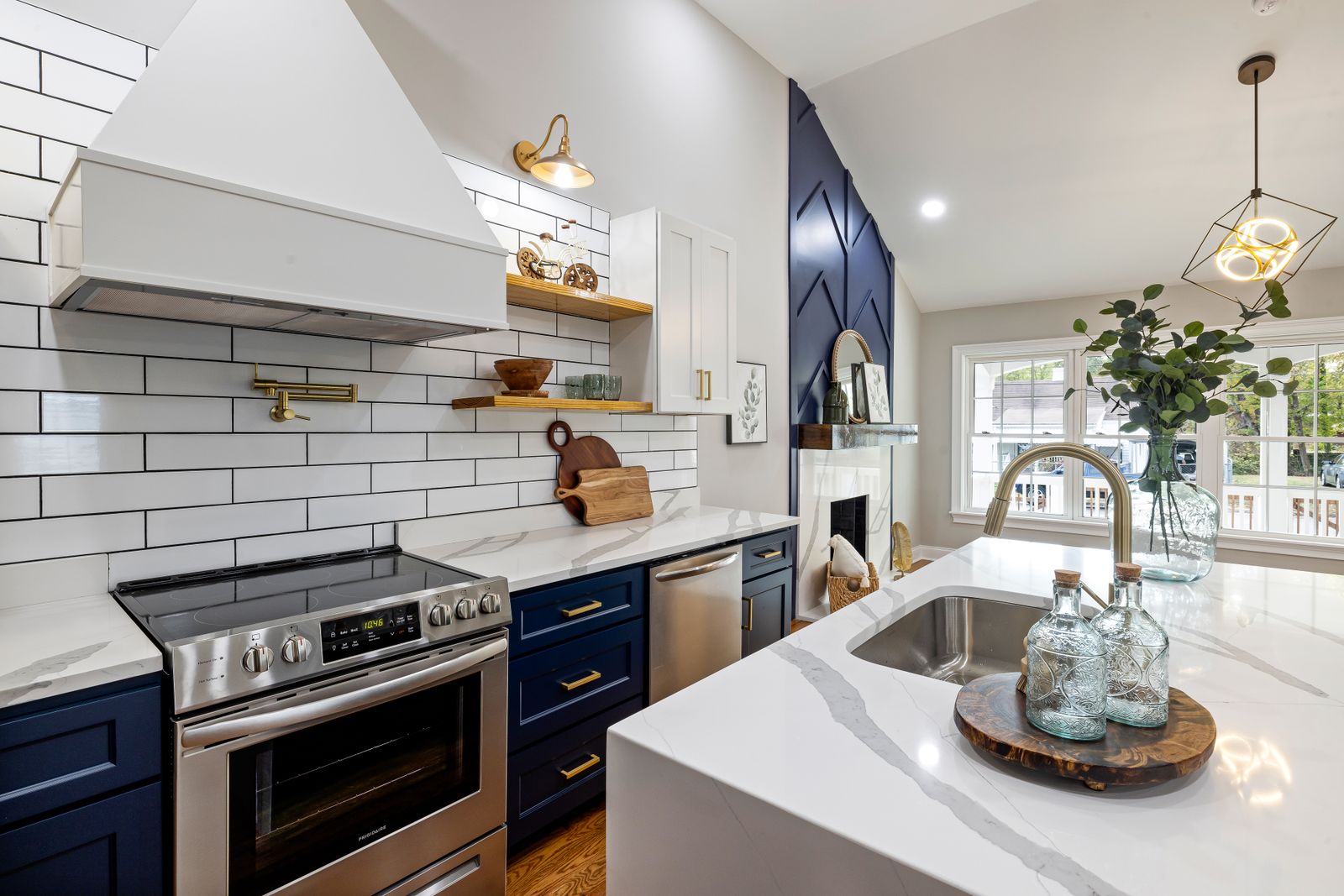
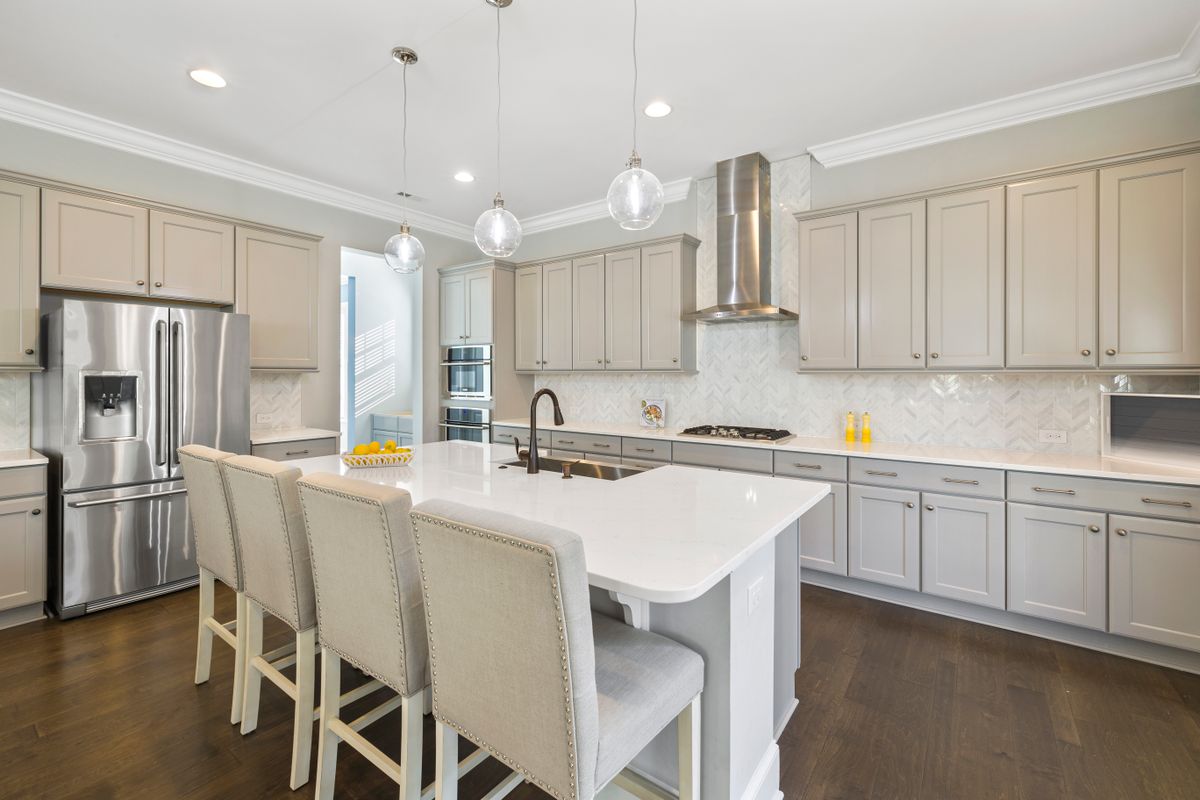
In NKBA’s 2027 Kitchen Trends Report, designers ranked cabinet upgrades as the best-value kitchen investment for homeowners (54%), ahead of reconfiguring the layout (49%). In a cautious market, a well-presented cabinet refresh can be an easier yes than a full gut renovation.
Keep fixed costs flexible
Hiring in-house designers for a peak that may not come is a risk when the forecast is flat. Many dealers now keep a small core team and send overflow, rush jobs and overnight work to an outsourced design partner, paying for designs only when there are jobs to design.
Quick check: measure how many hours pass between a first appointment and the first design your client sees. If it is more than two business days, that gap is the easiest place to win back jobs.